Understanding the Road Construction Calculator: A Comprehensive Guide
 An asphalt calculator provides a reliable means of determining the volume of asphalt needed, ensuring that projects stay on budget and on schedule. Overestimating the amount of asphalt can lead to unnecessary expenses, while underestimating can result in insufficient material, leading to project delays and compromised quality. Accurate calculations are essential in any construction project, particularly in asphalt paving.
 Quality of Work: Proper calculations ensure that the asphalt is laid to the correct thickness, which is crucial for the longevity and durability of the pavement. Insufficient thickness can lead to premature wear and damage.
Common thicknesses range from 2 to 6 inches. Different projects may require varying thicknesses depending on the expected load, traffic conditions, and environmental factors. Thickness of Asphalt Layer: The thickness of the asphalt layer is another vital consideration.
Tarmac calculators are invaluable tools for anyone involved in construction or landscaping projects that require asphalt surfacing. Whether you are a homeowner planning a driveway or a contractor working on a large-scale project, understanding how to use a tarmac calculator effectively is essential for successful project completion. With careful planning and accurate calculations, you can ensure that your tarmac installation goes smoothly and meets your expectations. By providing accurate estimates of the amount of tarmac needed, these calculators can help you save time, reduce costs, and minimize environmental impact.
Cost Efficiency: Knowing the exact amount of asphalt needed helps in budgeting. Overestimating can lead to unnecessary expenses, while underestimating can result in project delays and additional costs for extra materials.
An asphalt cubic yards calculator is a tool designed to help contractors, builders, and DIY enthusiasts estimate the volume of asphalt required for a specific project. It calculates the amount of asphalt in cubic yards based on the dimensions of the area to be paved. The calculator takes into account the length, width, and depth of the asphalt layer, providing an accurate estimate that can help in budgeting and purchasing materials.
In this article, we will explore what an asphalt paving calculator is, how it works, its benefits, and its importance in the paving process. Whether you are paving a driveway, parking lot, or a road, accurate calculations are essential to ensure the project is completed efficiently and cost-effectively. This is where an asphalt paving calculator comes into play. Asphalt paving is a crucial aspect of construction and maintenance in both residential and commercial projects.
Cost Efficiency: One of the primary reasons to use a tarmac calculator is to estimate costs accurately. By calculating the exact amount of tarmac needed, you can avoid over-purchasing, which leads to wasted materials and unnecessary expenses.
Typically, asphalt may lose about 10% of its volume during compaction. Compaction Factor: Asphalt is typically compacted after installation to enhance its durability and strength. The compaction factor, which accounts for the volume reduction during compaction, is also a crucial element in calculations.
Errors in calculations can lead to significant financial losses, project delays, and even safety hazards. Each stage demands accurate calculations to ensure that the project stays within budget, adheres to timelines, and meets safety standards. Road construction involves various stages, including design, planning, and execution. For instance, miscalculating the amount of asphalt required can result in insufficient materials, leading to subpar road quality or, conversely, excess materials that inflate costs unnecessarily.
If the area is irregularly shaped, break it down into smaller rectangles or squares and calculate the area of each section. Measure the Area: Start by measuring the length and width of the area you plan to pave.
It ensures that the right amount of material is purchased, which is critical for the quality and durability of the finished surface. Using an asphalt calculator to determine the cubic feet of asphalt needed for a project is a straightforward yet essential process in construction. Accurate calculations not only save money but also contribute to the longevity and performance of asphalt surfaces. By understanding the key factors that influence asphalt volume calculations and following the appropriate steps to use the calculator, contractors and DIY enthusiasts can achieve successful paving projects. As technology continues to advance, the tools available for such calculations will only become more refined, making it easier for professionals and homeowners alike to manage their paving needs efficiently.
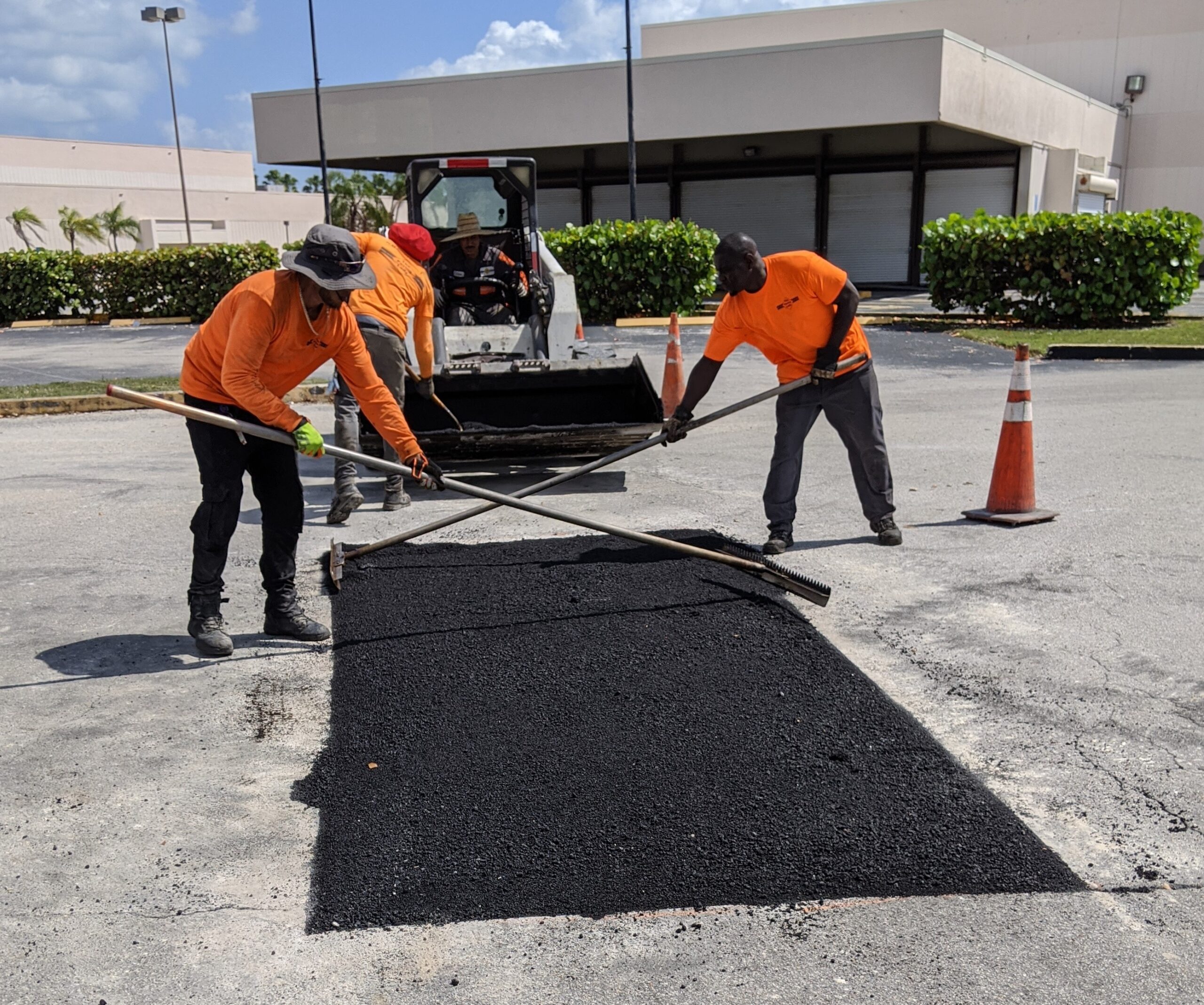 For example, a driveway may require a thickness of 2-3 inches, while a road may need 4-6 inches. Thickness of the Tarmac Layer: The thickness of the tarmac layer can vary depending on the intended use of the surface.
 댓글목록
등록된 댓글이 없습니다.