15 Ideas For Gifts For That Used Shipping Containers Lover In Your Lif…
Buy Used Shipping Containers: A Comprehensive Guide
In today's fast-paced world, the demand for Custom Shipping Containers containers has actually risen. These robust metal boxes, originally created for transferring products across oceans, have actually discovered new life in a variety of applications, including storage, housing, and even business ventures. For those looking to Buy Used Shipping Containers Modified Shipping Containers containers, purchasing used shipping containers can be a cost-effective and sustainable choice. This post looks into the ins and outs of buying used shipping containers, helping potential buyers make informed choices.

Why Choose Used Shipping Containers?
Cost-Effectiveness
Among the most compelling reasons to buy used shipping containers is the cost savings. New shipping containers can be costly, but used containers are typically considerably more affordable without compromising quality.
Sustainability
Purchasing used shipping containers contributes to sustainability efforts. By reusing these resilient structures, buyers are decreasing waste and reducing the ecological effect associated with producing new containers.
Versatility
Used shipping containers are exceptionally versatile. They can be repurposed for different applications, consisting of:
- Storage Solutions: Ideal for businesses requiring extra area for inventory or for individuals requiring off-site storage.
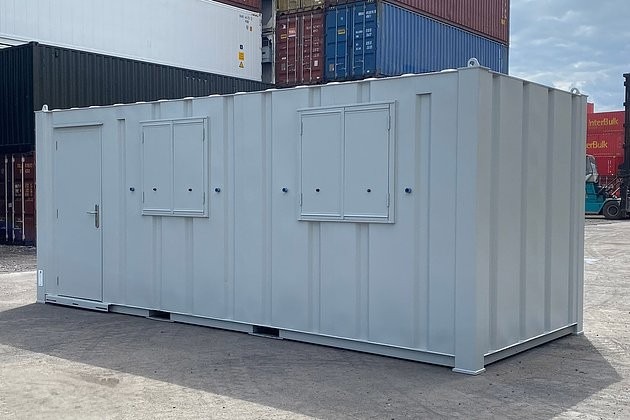
- Portable Offices: Easily converted into workplaces for construction sites or short-lived workspaces.
- Homes: Growing in appeal as modern-day, budget-friendly housing alternatives.
- Mobile Retail Spaces: Perfect for food trucks or pop-up stores.
Table 1: Common Uses for Used Shipping Containers
| Usage Case | Description |
|---|---|
| Storage | Secure, weatherproof spaces for personal or business items. |
| Office | Quick and budget friendly short-lived office solutions. |
| Housing | Ingenious and eco-friendly homes. |
| Retail | Mobile shops or food service locations. |
| Workshops | Spaces for artisans and DIY jobs. |
Aspects to Consider When Buying Used Shipping Containers
When pondering the purchase of a used shipping container, numerous elements need to be assessed to make sure an effective financial investment.
Condition
Check the container's exterior and interior for any signs of damage, such as rust, dents, or leaks. It's important to examine its structural integrity, particularly if it's intended for long-term usage.
Size
Shipping containers come in various sizes-- primarily 20-foot and 40-foot options. Examine your needs to identify the size that finest fits your requirements.
Certification
Containers with a CSC (Convention for Safe Containers) accreditation are generally in much better condition and satisfy worldwide shipping standards. This accreditation can be an indicator of quality.
Location
Think about where the container will be delivered. Some sellers might only provide to particular areas, and shipping expenses can differ substantially based upon area.
Rate
Used shipping containers are priced based on condition, size, and market demand. It's a good idea to compare prices from different suppliers to ensure you're getting a fair offer.
Table 2: Key Factors to Evaluate
| Element | Considerations |
|---|---|
| Condition | Look for rust, damages, and leaks. |
| Size | Identify your spatial requirements (20ft vs 40ft). |
| Accreditation | Try to find CSC accredited containers. |
| Location | Understand delivery options and expenses. |
| Price | Compare prices throughout providers for best worth. |
Where to Buy Used Shipping Containers
Online Marketplaces
Sites like eBay, Amazon, and specialized container sales websites offer a variety of alternatives. Buyers can search listings and filter based upon place, rate, and condition.
Local Suppliers
Contact regional shipping container suppliers, shipping business, or freight forwarders. They often have used containers readily available for sale or lease.
Auctions
Often, shipping containers are offered at auctions or surplus sales. This path can offer considerable cost savings but may require more effort to find appropriate choices.
Table 3: Buying Options Overview
| Buying Method | Pros | Cons |
|---|---|---|
| Online Marketplaces | Wide choice, cost comparisons | Shipping expenses can accumulate |
| Regional Suppliers | Immediate accessibility, lower shipping costs | Minimal selection |
| Auctions | Possible for substantial cost savings | May require effort and time |
FAQs
1. What is a used shipping container's life expectancy?
A well-kept used shipping container can last for 25 years or more, depending upon usage and environmental conditions.
2. Can I customize a used shipping container?
Yes, lots of people modify shipping containers for homes, offices, or retail areas. It's advised to inspect regional zoning laws before making considerable modifications.
3. How much does a used shipping container cost?
Prices can vary substantially based upon size and condition, ranging from ₤ 1,500 to ₤ 6,000 typically. It's a good idea to search for the very best cost.
4. Do I need a license to place a shipping container on my property?
This can depend upon local guidelines, so it's important to consult your local federal government about zoning laws and permits.
5. Are used shipping containers safe for storage?
Yes, as long as the container is in good condition, it can provide secure, dry storage for numerous products.
Buying a used shipping container can be both economically advantageous and ecologically friendly. Whether for storage, construction, or imaginative purposes, these flexible systems have proven themselves vital to a large array of users.
Before buying, prospective buyers need to thoroughly evaluate their needs, inspect the container completely, and think about the recommendations laid out in this guide. With the best technique, purchasing a used shipping container can be a gratifying venture that meets both useful requirements and sustainability goals.
등록된 댓글이 없습니다.