Refrigerated Shipping Containers Techniques To Simplify Your Daily Lif…
Refrigerated Shipping Containers: An Essential Component in Global Trade
In today's quickly developing worldwide marketplace, the transport of perishable items has become an important aspect for businesses. Refrigerated shipping containers, likewise called reefer containers, have become an essential service for maintaining the temperature-sensitive nature of items during transit. This article delves into the ins and outs of refrigerated shipping containers, their types, operational mechanisms, benefits, and the regularly asked concerns surrounding them.
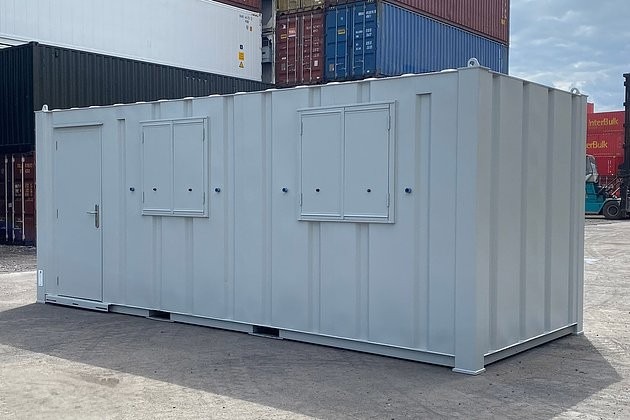
What are Refrigerated Shipping Containers?
Refrigerated shipping containers are specially designed units that preserve a controlled temperature environment for transferring disposable products. They are used in shipping a vast array of items, including fruits, veggies, dairy items, meats, pharmaceuticals, and even particular chemical items that need temperature policy.
Types of Refrigerated Shipping Containers
While there are numerous types of refrigerated shipping containers, they can typically be categorized based on size, performance, and temperature range.
| Type | Size | Temperature Range | Common Uses |
|---|---|---|---|
| Standard Reefer | 20ft, 40ft | -30 ° C | to 30 ° C Fruits, veggies, |
| and seafood Managed Atmosphere(CA | )20ft, 40ft Varies (particular gas mixtures) | Long-term Dry Storage Containers of fruits | |
| Bulk Refrigerated | 40ft | -30 ° C | to 30 ° C Big quantities of liquid items |
| Air-Cooled Reefer | 20ft, 40ft | 0 ° C | to 10 ° C Pharmaceuticals 1. Requirement |
Reefer Containers
The most common kind of reefer, standard containers, are commonly used in carrying perishable food products. Equipped with a refrigeration unit, these containers can run efficiently in different climates.
2. Managed Atmosphere (CA) Containers
Controlled atmosphere containers keep not simply temperature level but also humidity and gas structure, making them particularly ideal for transferring vegetables and fruits over long distances.
3. Bulk Refrigerated Containers
These containers are developed to transport bulk liquid products such as oils and juices while keeping them at the desired temperature level. They typically have actually specialized fittings for loading and dumping.
4. Air-Cooled Reefer Containers
These containers make use of a fan and duct system to flow cold air, making them ideal for products that need to be kept cool but not frozen, such as medications.
How Do Refrigerated Shipping Containers Work?
Refrigerated shipping containers count on sophisticated refrigeration technology to preserve specific temperature levels. Here are the primary parts of these containers:
- Refrigeration Unit: A mechanical system that cools the interior of the container. It utilizes a compressor to circulate refrigerant through coils.
- Thermal Insulation: Insulation materials that lessen heat transfer, enabling the interior to preserve its temperature level despite external conditions.
- Temperature Control System: Digital systems that enable users to set the desired temperature and monitor the internal environment in real-time.
- Data Logging System: These are used to tape temperature and humidity levels throughout transport for quality guarantee.
Advantages of Using Refrigerated Shipping Containers
- Preservation of Freshness: Maintaining a regulated temperature assists extend the life span of disposable goods.
- Worldwide Reach: Refrigerated containers make it possible to transport fresh fruit and vegetables and other perishables throughout long ranges, linking providers to worldwide markets.
- Range of Goods: They permit the transportation of a large variety of temperature-sensitive products, from foodstuffs to pharmaceuticals.
- Regulatory Compliance: Many markets go through rigorous guidelines regarding the transport of disposable goods. Using refrigerated containers helps business comply with these regulations.
Difficulties in Using Refrigerated Shipping Containers
While refrigerated containers offer numerous benefits, they also come with challenges:
- Cost: The preliminary financial investment and operating expense of refrigerated containers are higher than standard shipping Intermodal Containers.
- Maintenance: Regular maintenance is required to ensure the refrigeration system is functioning efficiently.
- Energy Consumption: These containers generally require more energy than basic containers, making them less eco-friendly.
Frequently Asked Questions About Refrigerated Shipping Containers
1. How do I pick the right refrigerated shipping container?
Choosing the best container depends on numerous factors, consisting of the type of goods you are carrying, the required temperature range, and the period of transport.
2. What temperature should I set for my refrigerated container?
The temperature level setting depends on the particular kind of products being transferred. For example, fresh fruits may need a temperature of 0 ° C to 5 ° C, whereas frozen goods might require -18 ° C or lower.
3. Are refrigerated containers only for shipping food?
No, refrigerated shipping containers are also used for transporting pharmaceuticals, chemicals, and other temperature-sensitive products.
4. How are refrigerated containers powered during transit?
Refrigerated containers can be powered through a ship's onboard electrical supply, by plugging into a terminal dock, or by utilizing gensets (generator sets) when docked or during transport.

5. How long can perishable products last in a refrigerated container?
The duration depends on the type of products, the preliminary freshness, and the set temperature level. Usually, goods can last from a few days to several weeks in ideal conditions.
Refrigerated shipping containers play a crucial role in modern-day logistics, enabling the global trade of temperature-sensitive items. Their specialized design and innovation guarantee the conservation of freshness and quality during transit, making them important for several industries. As worldwide demand for perishable items continues to increase, comprehending the operational systems, advantages, and obstacles of refrigerated Shipping Container Marketplace containers will become increasingly vital for services wanting to grow in today's interconnected world.
등록된 댓글이 없습니다.