20 Questions You Need To To Ask About Shipping Containers Before You B…
The Versatile World of Shipping Containers: A Comprehensive Guide
Shipping containers have become an ubiquitous element of international trade and logistics, playing an essential function in the transport of products across oceans and continents. Originally designed for shipping cargo, these robust steel structures have actually progressed into multifunctional units, finding usages in different sectors, including construction, housing, and even art. This post checks out the multifaceted nature of shipping containers and digs into their history, types, benefits, and innovative applications. Furthermore, it addresses often asked concerns and includes handy tables for quick referral.
A Brief History of Shipping Containers
The idea of shipping containers goes back to the early 20th century. However, the idea took off in the 1950s with the introduction of standardized container sizes. This standardization changed shipping logistics, resulting in increased efficiency and reduced costs. The intro of container ships further facilitated this modification, permitting the transport of thousands of containers at the same time.
Table 1: Key Milestones in Shipping Container History
| Year | Turning point |
|---|---|
| 1956 | First container ship, the "Ideal X," sets sail |
| 1966 | International Standards Organization (ISO) establishes container basic sizes |
| 1970s | Growth of intermodal transport utilizing containers |
| 1980s | Global trade surges due to containerization |
| 2000s | Increase of huge container ships (post-Panamax vessels) |
Types of Shipping Containers
Custom Shipping Containers containers come in different shapes and sizes, each created to deal with particular cargo requirements. Below are some common types of containers used in shipping.
Table 2: Common Types of Shipping Containers
| Container Type | Description | Typical Use Cases |
|---|---|---|
| Standard Dry Container | Many widely used container; offered in 20ft and 40ft sizes | Transporting general cargo products |
| Refrigerated Container (Reefer) | Temperature-controlled containers for perishable products | Shipping food, pharmaceuticals, and flowers |
| Open Top Container | Container with no roofing, permitting filling from above | Heavy machinery and bulk cargo |
| Flat Rack Container | Open frame container without any sides or leading | Shipping big or extra-large items |
| Tank Container | Cylindrical containers for liquids | Transporting chemicals, oils, and liquefied gases |
Advantages of Using Shipping Containers
Using shipping containers uses numerous benefits, making them a preferred option for different industries. Here are some of the essential benefits:
1. Sturdiness
Constructed from state-of-the-art steel, shipping containers are developed to endure extreme maritime conditions, making them incredibly long lasting and capable of protecting their contents.
2. Affordable
The standardization of shipping containers minimizes packing and dumping times, which translates to cost savings in transportation. Additionally, the capacity for double stacking containers maximizes shipping area.
3. Adaptability
Shipping containers can be repurposed for a myriad of applications, from modular housing and pop-up stores to storage systems and even recreational areas.
4. Eco-Friendly
Repurposing shipping containers lowers waste and promotes recycling, making them an eco-friendly option for construction and other uses.
5. Security
Shipping containers are inherently safe, geared up with robust locks and developed from solid products, securing their contents from theft and weather condition damage.
Innovative Uses of Shipping Containers
As their adaptability has actually ended up being more apparent, shipping containers have actually been creatively employed in various fields. Here are some ingenious uses:
1. Housing and Shelter
Many have actually turned to Shipping Container Office containers as cost effective housing solutions. They can be changed into contemporary homes, tiny houses, or perhaps multi-family systems.
2. Retail Spaces
Pop-up stores made from shipping containers have actually ended up being trendy in city settings, permitting businesses to develop distinct retail experiences.
3. Offices
Container workplaces are an emerging trend, offering mobile and flexible office solutions for businesses, especially in construction and remote locations.
4. Dining establishments and Cafes
Shipping container conversions into food facilities enable distinct dining experiences, typically with a minimal environmental footprint.
5. Art Installations
Artists have actually started using shipping containers as mediums for art or as part of interactive setups, creating public art that engages communities.
Frequently Asked Questions (FAQ)
Q1: How much does a shipping container cost?
The cost of a shipping container varies extensively based on its type, condition, and location. A standard used 20ft container may range from ₤ 1,500 to ₤ 5,000, while new containers can cost between ₤ 3,000 and ₤ 6,000.
Q2: Can I reside in a shipping container?
Yes, many people have effectively turned shipping containers into livable homes. They can be outfitted with pipes, electrical power, and insulation, making them appropriate for irreversible living.
Q3: How long do shipping containers last?
With proper care and upkeep, a shipping container can last a number of years. Factors like rust, deterioration, and ecological conditions can impact its lifespan, however numerous containers remain functional for 25 years or longer.
Q4: Are shipping containers safe for food storage?
Refrigerated containers, or reefers, are safe for food transport as they maintain temperature level controls. However, non-refrigerated containers ought to not be used for food storage due to potential contamination risks.
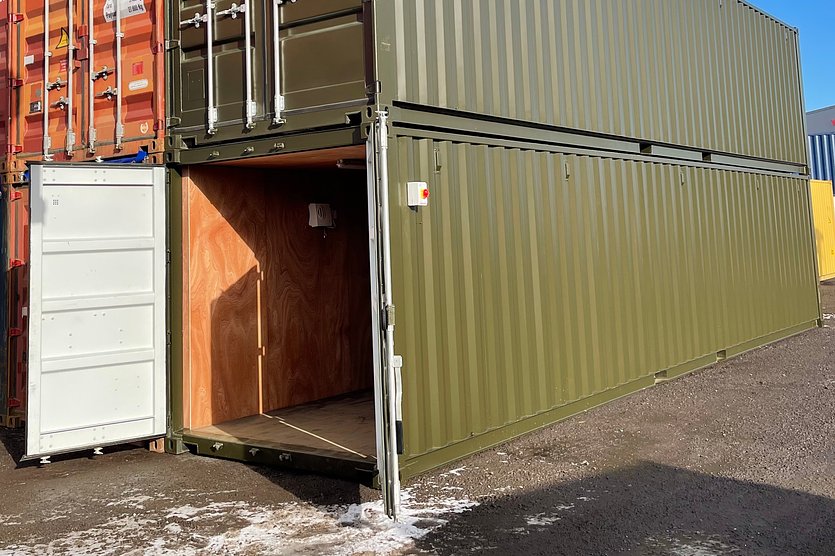
Q5: Can I modify a shipping container?
Yes, Buy Shipping Containers containers can be personalized and modified to fulfill particular needs. This might consist of cutting windows, adding doors, insulation, and electrical work. It's vital to speak with professionals for safety and structural stability.
Shipping containers are not simply vessels for carrying products; they are signs of development and sustainability. Their diverse applications vary from housing and storage solutions to distinct artistic expressions, proving their versatility beyond standard logistics. As industries continue to accept the advantages of shipping containers, their potential appears endless. Comprehending their history, types, and different applications can empower people and companies to make educated choices about using these strong, environment-friendly units.

등록된 댓글이 없습니다.