Guide To Container 30 Feet: The Intermediate Guide Towards Container 3…
Understanding 30-Foot Shipping Containers: An In-Depth Guide
In today's world, shipping containers have actually ended up being an important element of worldwide trade and logistics. Among the various sizes offered, the 30-foot shipping container sticks out for its distinct advantages and flexibility. This article will look into the specifics of 30-foot containers, their usages, advantages, and some practical considerations for those interested in getting or using them.
What is a 30-Foot Shipping Container?
A 30-foot 30ft Shipping Container Container 30 Feet is a metal box used mainly for carrying items by sea, land, or rail. It supplies a secure, robust, and weatherproof environment for a large range of cargo types. Shipping containers can be found in different lengths, with 30 feet being a less common yet extremely practical size.
Dimensions of a 30-Foot Container
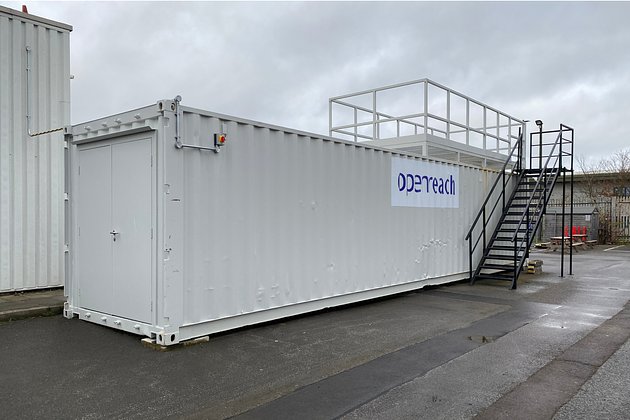
To much better comprehend the measurements, here's a fast referral table offering the specifics of a basic 30 Ft Container Price-foot Container 30ft:
| Measurement | Size (in feet) | Size (in meters) |
|---|---|---|
| External Length | 30' | 9.14 m |
| External Width | 8' | 2.44 m |
| External Height | 8.5' | 2.59 m |
| Internal Length | 29' 5" | 8.99 m |
| Internal Width | 7' 8" | 2.34 m |
| Internal Height | 7' 9" | 2.36 m |
| Optimum Gross Weight | 30,480 pounds | 13,800 kg |
| Volume | 2,390 cubic feet | 67.7 cubic meters |
These measurements make 30-foot containers ideal for numerous uses, from storage to mobile workplaces.
Common Uses of 30-Foot Containers
The adaptability of 30-foot containers implies they can be utilized in a plethora of methods. Here are some common applications:
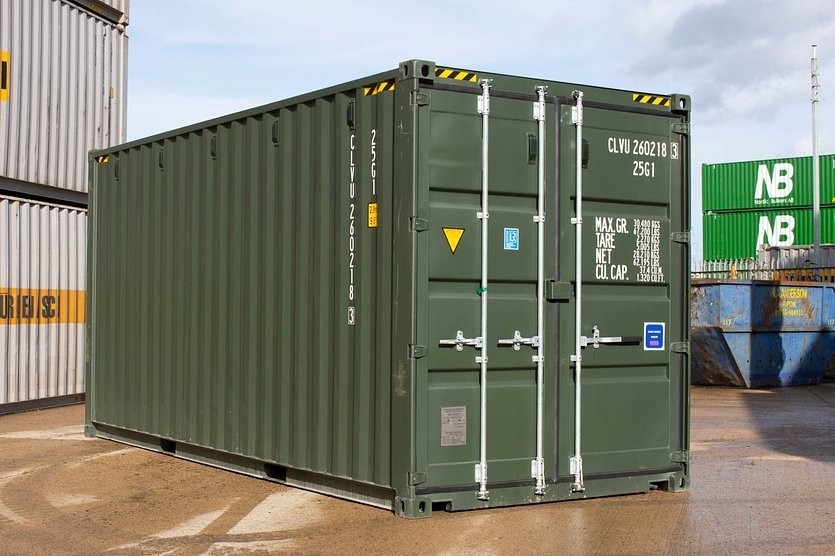
- Shipping and Freight Transport: Ideal for transporting goods that do not require a full-sized 40-foot container.
- Storage Solutions: Used for short-term or permanent storage, especially in building and construction websites or remote areas.
- Modular Offices: Many services convert containers into practical office.
- Pop-up Shops or Markets: Retailers often utilize containers as momentary stores or kiosks.
- Occasion Spaces: Containers can be changed into special places for occasions or exhibits.
Benefits of Using a 30-Foot Container
- Expense Efficiency: These containers often come at a lower rate point compared to bigger sizes.
- Space-Saving: Perfect for limited areas while still providing sufficient capability.
- Adaptability: Suitable for varied applications throughout various markets.
- Sturdiness: Made from weather-resistant products, they can endure severe conditions.
- Easy Mobility: Easier to move than bigger containers, making them ideal for short-lived setups.
| Advantage | Description |
|---|---|
| Cost Efficiency | Lower purchase and shipping expenses compared to bigger containers. |
| Space-Saving | Fits in smaller sized areas while supplying considerable storage. |
| Flexibility | Functional for storage, shipping, and imaginative conversions. |
| Sturdiness | Strong construction makes sure longevity in different environments. |
| Easy Mobility | Simpler to carry due to smaller size, helping with quick setups. |
Factors to consider When Choosing a 30-Foot Container
- Condition: Ensure the container remains in good condition, whether brand-new or used.
- Personalization: Depending on its intended usage, think about adjustments, such as windows, doors, insulation, or partitioning.
- Ease of access: Think about where the container will be placed and how easily it can be accessed.
- Local Regulations: Familiarize yourself with local zoning laws and codes related to container use.
- Insurance: Protect your financial investment with appropriate insurance coverage.
FAQ About 30-Foot Shipping Containers
Q1: Can I customize a 30-foot container for living or office space?A1: Yes, lots of individuals
tailor containers for usage as homes, offices, and even retail areas. Modifications often consist of windows, insulation, pipes, and electrical systems. Q2: How much can a 30-foot
shipping container hold?A2: A standard 30-foot shipping container can hold
around 2,390 cubic feet of cargo, which translates to around 30,480 pounds. Q3: What is the typical expense of a 30 Shipping Container-foot 30ft High Cube Shipping Container container?A3: Prices can differ
extensively based upon condition (brand-new vs. utilized), area, and modifications, but typically range from ₤ 3,000 to ₤ 7,000. Q4: How do I transfer a 30-foot shipping container?A4: Transportation can be set up through specialized trucking services that can accommodate the container's dimensions. Q5: Are there any upkeep
requirements for a shipping container?A5: Regular inspections for rust, leaks, and structural stability are necessary to ensure durability and performance. The 30-foot shipping container uses an excellent mix of versatility, sturdiness, and cost-effectiveness, making it an appealing option for different applications. From shipping goods to supplying ingenious storage services or
creating distinct offices, these containers can meet diverse needs across many markets. With appropriate factor to consider regarding adjustments, policies, and upkeep, buying a 30-foot shipping container can be a strategic relocation that pays off in many methods.
등록된 댓글이 없습니다.