Guide To Shipping Container Leasing: The Intermediate Guide To Shippin…
Navigating the Waters of Shipping Container Leasing
Shipping container leasing has become a significantly popular and practical solution for services involved in logistics, storage, and even creative adjustments like pop-up stores and housing. As worldwide trade continues to broaden and the need for efficient transport increases, understanding the nuances of shipping container leasing can substantially benefit companies and people alike.
What is Shipping Container Leasing?
Shipping container leasing refers to the practice of renting shipping containers for various functions-- from transport of goods across oceans to storage solutions for companies. Unlike buying containers outright, leasing allows companies to access the container they need for a specified period without the substantial in advance cost related to buying.
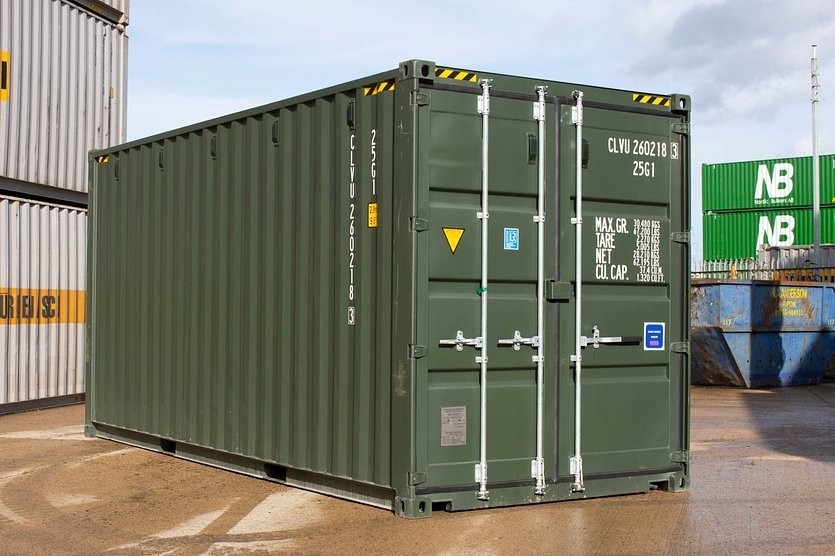
Benefits of Shipping Container Leasing
Leasing shipping containers presents many advantages for services:
- Cost-Efficiency: Leasing can be more cost-effective than acquiring, particularly for short-term needs.
- Versatility: Offers choices for various sizes and kinds of containers based on current requirements.
- Quality and Maintenance: Leasing business often keep their containers, guaranteeing they are in excellent working condition.
- No Long-Term Commitment: Businesses can rent containers for as long or as brief as they need.
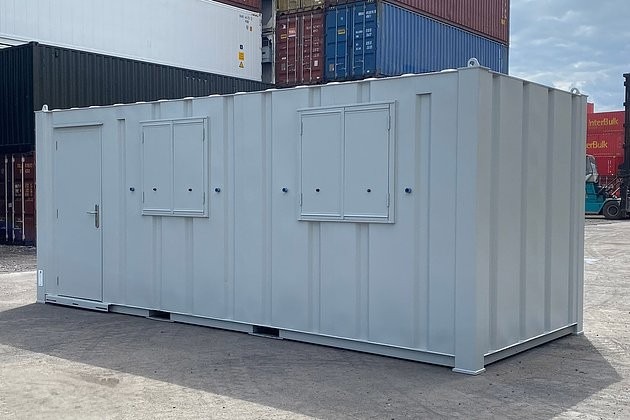
- Access to Modification Services: Some leasing business provide modified containers for specialized uses, such as refrigerated containers or workplace.
Types of Shipping Containers Available for Lease
| Container Type | Description | Common Uses |
|---|---|---|
| Requirement Dry Container | The most typical type, used for general cargo. | Shipping Container Cabin, storage. |
| Refrigerated Container | Consists of a built-in refrigeration unit for temperature-sensitive items. | Food, pharmaceuticals. |
| Open-Top Container | Features a removable top for large cargo. | Heavy machinery, bulk materials. |
| Flat Rack Container | Open platform design for oversized goods that can't fit in standard containers. | Construction devices, large machinery. |
| High Cube Container | Taller than a basic container, supplying extra area. | Furnishings, big volumes of goods. |
The Process of Leasing Shipping Containers
Leasing a shipping container generally includes an uncomplicated process. Here is a step-by-step guide:
- Identify Your Needs: Determine the size, type, and period of your leasing requirements.
- Research Leasing Companies: Look for reliable leasing companies with great evaluations and a broad variety of container choices.
- Request Quotes: Contact a number of leasing companies to demand quotes. Include information about your needs to receive accurate prices.
- Evaluation Lease Agreements: Carefully read through lease contracts, paying attention to terms, insurance requirements, and upkeep obligations.
- Finalize and Sign: Once satisfied with the terms, complete the agreement and sign it.
- Delivery and Setup: Coordinate the delivery of the container and any needed setup for your particular usage.
Factors to Consider When Leasing a Shipping Container
- Period of Lease: Assess for how long you will require the container and pick a leasing option accordingly.
- Area: Consider geographic distance to the leasing company for benefit and lower transport costs.
- Container Condition: Inspect the container's quality and upkeep records before completing a lease.
- Insurance Requirements: Ensure you comprehend the insurance obligations around the container during the lease duration.
Regularly Asked Questions (FAQ)
1. How long can I lease a shipping container?
Leasing durations vary commonly, from short-term leases of a couple of weeks to long-lasting leases spanning a number of years.
2. What takes place if the container is harmed throughout the lease?
The majority of leasing agreements include provisions relating to damage and insurance coverage. Renters are normally accountable for any damage that takes place throughout the lease period.
3. Can I customize a leased shipping container?
Some leasing companies permit modifications to their containers, ranging from adding windows to setting up shelving. Always verify with the leasing company initially.
4. What are the costs related to leasing a shipping container?
Costs can differ based upon the container size, type, lease duration, and condition. Anticipate to pay a monthly charge, delivery charges, and possibly deposit costs.
5. Exist limitations on what I can store in a rented shipping container?
Yes, most leasing arrangements define forbidden products (e.g., dangerous products). Always examine the contract for specific restrictions.
Shipping container leasing provides a versatile, economical solution for businesses in need of extra storage and transport abilities. With a variety of containers offered and a straightforward leasing procedure, companies can quickly adapt to their altering needs without the burden of a large in advance financial investment. Understanding the leasing procedure, the kinds of containers available, and the relevant elements guarantees that companies make notified choices that align with their operational requirements.
Whether looking for a standard dry container for general storage or a specialized refrigerated container for disposable items, Shipping Container Modification container leasing can be a strategic choice for optimizing logistics and resource management.
등록된 댓글이 없습니다.