Nine Things That Your Parent Taught You About Shipping Container Desig…
Innovative Shipping Container Design: A New Era in Sustainable Architecture
Over the last few years, shipping containers have transcended their conventional function in worldwide trade to end up being a cornerstone of ingenious design in various sectors, consisting of domestic, commercial, and commercial architecture. This post explores the multifaceted world of shipping container design, exploring its benefits, applications, and evolution.
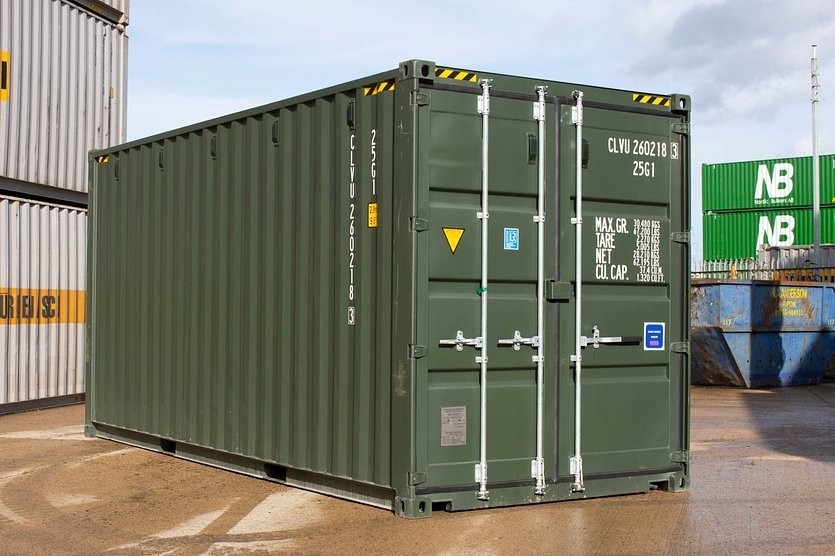
The Rise of Shipping Container Architecture
Shipping containers are not merely metal boxes used for transferring goods; they are versatile structures that can be repurposed into spectacular living and working areas. The pattern of transforming shipping containers into homes and commercial buildings started as an action to the requirement for budget friendly housing, however it has become a movement that highlights sustainability, imagination, and efficiency.
Table 1: Benefits of Shipping Container Design
| Advantage | Description |
|---|---|
| Sustainability | Reuse of products reduces waste and ecological footprint. |
| Cost | Lower construction expenses compared to conventional structure techniques. |
| Modularity | Easy to stack and combine for various configurations. |
| Sturdiness | Strong steel structure endures extreme weather and seismic activity. |
| Speed of Construction | Quick assembly and completion due to upraised units. |
Diverse Applications of Shipping Container Design
The adaptability of shipping containers lends itself to numerous applications, consisting of but not limited to:
Residential Homes: Architects and property owners have actually welcomed container living as an alternative housing option.
Pop-Up Stores and Cafés: Many organizations use containers for momentary areas, taking full advantage of foot traffic and minimizing overhead expenses.
Office Spaces: Companies have actually adopted container offices for their price and versatility, permitting for quick scalability.
Emergency situation Shelters: Containers can be transformed into quick-deploy shelters during natural disasters or crises.
Art Installations: Artists and designers produce stunning setups using containers, integrating art with functional area.
Table 2: Creative Uses of Shipping Containers
| Application | Description |
|---|---|
| Homes | Personalized living spaces that are environment-friendly and economical. |
| Retail | Versatile shop designs that can be moved quickly. |
| Workplaces | Modern workspaces that use a distinct visual and functionality. |
| Community Centers | Areas designed for celebrations and occasions. |
| Studios | Art and music studios that supply non-traditional settings. |
Secret Design Considerations
When designing with shipping containers, numerous vital elements should be considered to guarantee successful outcomes:
1. Structural Integrity
While shipping containers are strong, appropriate design is important to preserve their structural integrity, particularly when making modifications. Engaging with structural engineers can assist guarantee that any changes do not compromise the container's strength.
2. Insulation and Ventilation
Steel containers can warm up rapidly, making insulation essential. Designers typically use numerous insulating materials and ventilation systems to create comfy living or workplace.
3. Zoning and Building Codes
Regional zoning laws and building regulations often determine what can be constructed from Shipping Container Construction containers. Consultation with local authorities is essential to avoid prospective legal issues.
4. Foundation
Containers need strong structures to reduce problems like settling and ensure proper drainage. Depending on the meant usage, this may range from concrete slabs to wood piers.
5. Energies Installation
Setting up pipes, electrical systems, and HVAC can be intricate in a shipping container. It needs mindful preparation to ensure performance while maintaining design stability.
Design Trends in Shipping Container Architecture
As the popularity of High Cube Shipping Containers containers has actually grown, so have the design patterns related to them. Here are some of the key patterns forming the future of container architecture:
1. Green Building Practices
Sustainable design concepts are progressively being incorporated into shipping container projects, with a focus on using eco-friendly resources, energy-efficient systems, and sustainable products.
2. Smart Technology Integration
Modern shipping container designs often integrate IoT gadgets and smart home innovation for boosted functionality, energy efficiency, and security.
3. Hybrid Structures
Designers are increasingly combining New Shipping Containers containers with standard structure products to create hybrid structures that provide unique aesthetic appeals and functionality.
4. Personalized Interiors
Modern shipping container homes are designed with personalized interiors, allowing residents to individualize their areas for optimum comfort and utility.
FAQ: Shipping Container Design
Q1: How much do shipping container homes cost?
A: The cost can differ significantly depending on place, design, and modifications, with prices normally ranging from ₤ 10,000 to ₤ 200,000 or more.
Q2: Are shipping container homes safe?
A: Yes, when developed and constructed correctly, shipping container homes can be very safe and compliant with regional building regulations.
Q3: Can you stack Refrigerated Shipping Containers containers?
A: Yes, containers are developed to be stacked, which permits innovative multi-level designs.
Q4: What are the preparation consent requirements?
A: Requirements vary by place. It's vital to contact regional authorities for zoning laws and constructing guidelines.
Q5: How long do shipping container homes last?
A: With appropriate maintenance, shipping container homes can last for decades, often lasting longer than conventional structures.
The world of shipping container design represents an exceptional crossway of sustainability, price, and creativity. As more designers and designers explore the unlimited possibilities of repurposed containers, they lead the way for ingenious solutions to modern housing and commercial requirements. From homes and offices to pop-up shops, shipping containers offer a special canvas for those happy to reimagine architectural conventions. As this trend continues to progress, it guarantees to redefine how we think of space and design in the future.
등록된 댓글이 없습니다.