Calculating Asphalt Tons: A Comprehensive Guide
Introduction
Asphalt is a vital material in the construction and maintenance of roads, parking lots, and various other surfaces. Knowing how to calculate the amount of asphalt needed for a project is essential for accurate budgeting and resource management. This report provides a detailed guide on how to calculate asphalt tons, including the necessary formulas, factors to consider, and practical example
Type of Asphalt Mix: Different mixes may have varying densities, which can affect the calculation. Hot asphalt is less dense than cooler asphalt, which may slightly alter required quantitie Waste Factor: It is prudent to account for waste, spillage, and compaction. A common practice is to add 5-10% to the calculated amount. Always check with the supplier for the specific density of the mix being used. Weather Conditions: Temperature can affect the density of asphalt.
These calculators help estimate the amount of tarmac (also known as asphalt) needed for a specific project, ensuring that you purchase the right quantity and avoid wastage. Tarmac calculators are essential tools for anyone involved in construction, landscaping, or civil engineering. In this article, we will delve into the importance of tarmac calculators, how they work, and tips for using them effectively.
By using the formulas and examples provided in this report, stakeholders can streamline their processes and enhance their project outcome This knowledge empowers contractors, engineers, and project managers to make informed decisions that contribute to the successful completion of paving projects. Final Thoughts
With the increasing demand for infrastructure development, understanding how to calculate asphalt tons efficiently is more crucial than ever.
The calculator typically requires the user to input several key parameters, including: A Cold Patch Asphalt Calculator is a simple online tool or software that helps users determine the quantity of cold patch asphalt required for a specific repair project.
Budget Planning: The estimator allowed homeowners to budget accurately, reducing the likelihood of unexpected expenses. Informed Decision-Making: Users appreciated having a clear understanding of potential costs, which helped them make informed decisions about their driveway projects. Increased Transparency: By providing a breakdown of costs, the tool fostered trust between homeowners and contractors, as users could compare estimates more effectivel
This is where the asphalt cubic yards calculator comes into play. Its durability and ability to withstand heavy loads make it an ideal choice for these applications. However, one of the key challenges in working with asphalt is accurately estimating the amount needed for a project. Asphalt is a crucial material used in various construction projects, particularly in road construction, driveways, and parking lots. In this article, we will explore what an asphalt cubic yards calculator is, how to use it, and why it is essential for your construction projects.
A well-constructed driveway not only enhances the curb appeal of a property but also adds value and functionality. However, determining the cost of installing a blacktop driveway can be challenging. This case study explores the development and implementation of a Blacktop Driveway Cost Estimator, highlighting its significance, functionality, and impact on decision-making for homeowner Among the various materials available, blacktop (or asphalt) driveways are popular due to their durability, cost-effectiveness, and ease of maintenance. In the realm of home improvement, one of the most significant investments homeowners may consider is paving their driveways.
The primary objective of developing a Blacktop Driveway Cost Estimator was to provide homeowners with an easy-to-use tool that allows them to obtain a preliminary estimate of the costs associated with installing a blacktop driveway. This tool aims to empower homeowners with knowledge, enabling them to make informed decisions and budget effectively for their driveway project
It is designed to adhere well to existing surfaces and provide a durable repair that can withstand traffic and weather conditions. Cold patch asphalt typically consists of a mixture of asphalt cement, aggregate, and additives that enhance its performance. Cold patch is particularly useful for small to medium-sized repairs, making it a popular choice for both professional contractors and DIY enthusiasts.
Simplifying the language and providing additional guidance improved user experience. Regional Variability: The wide variation in pricing across different regions made it difficult to create a one-size-fits-all estimator. Continuous updates and regional adjustments were necessary to maintain accuracy. Data Accuracy: Ensuring that the cost data remained current required ongoing research and collaboration with local contractor User Experience: Some users found the interface overwhelming, particularly those unfamiliar with construction terminology.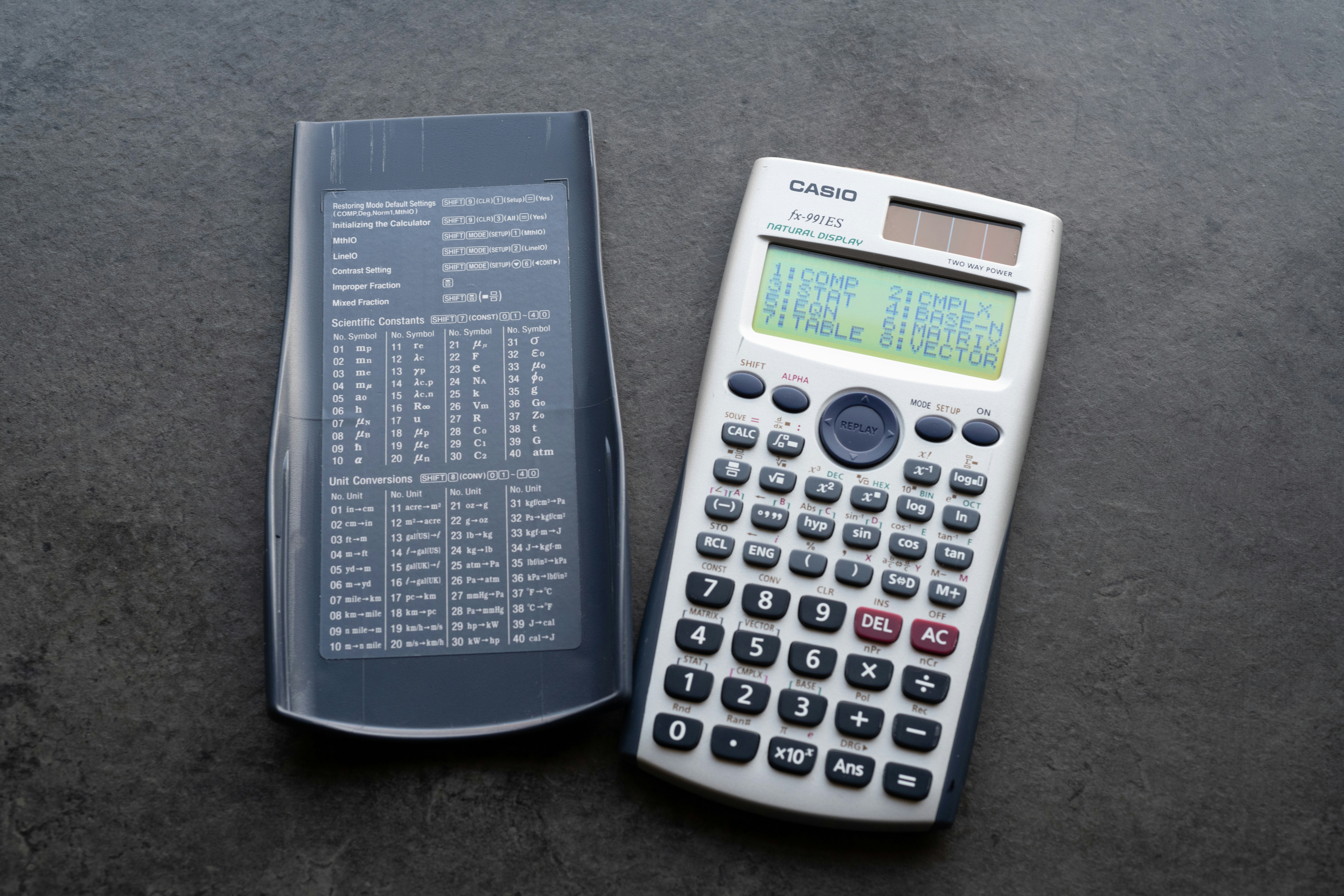
Asphalt is a vital material in the construction and maintenance of roads, parking lots, and various other surfaces. Knowing how to calculate the amount of asphalt needed for a project is essential for accurate budgeting and resource management. This report provides a detailed guide on how to calculate asphalt tons, including the necessary formulas, factors to consider, and practical example
Type of Asphalt Mix: Different mixes may have varying densities, which can affect the calculation. Hot asphalt is less dense than cooler asphalt, which may slightly alter required quantitie Waste Factor: It is prudent to account for waste, spillage, and compaction. A common practice is to add 5-10% to the calculated amount. Always check with the supplier for the specific density of the mix being used. Weather Conditions: Temperature can affect the density of asphalt.
These calculators help estimate the amount of tarmac (also known as asphalt) needed for a specific project, ensuring that you purchase the right quantity and avoid wastage. Tarmac calculators are essential tools for anyone involved in construction, landscaping, or civil engineering. In this article, we will delve into the importance of tarmac calculators, how they work, and tips for using them effectively.
By using the formulas and examples provided in this report, stakeholders can streamline their processes and enhance their project outcome This knowledge empowers contractors, engineers, and project managers to make informed decisions that contribute to the successful completion of paving projects. Final Thoughts
With the increasing demand for infrastructure development, understanding how to calculate asphalt tons efficiently is more crucial than ever.
The calculator typically requires the user to input several key parameters, including: A Cold Patch Asphalt Calculator is a simple online tool or software that helps users determine the quantity of cold patch asphalt required for a specific repair project.
Budget Planning: The estimator allowed homeowners to budget accurately, reducing the likelihood of unexpected expenses. Informed Decision-Making: Users appreciated having a clear understanding of potential costs, which helped them make informed decisions about their driveway projects. Increased Transparency: By providing a breakdown of costs, the tool fostered trust between homeowners and contractors, as users could compare estimates more effectivel
This is where the asphalt cubic yards calculator comes into play. Its durability and ability to withstand heavy loads make it an ideal choice for these applications. However, one of the key challenges in working with asphalt is accurately estimating the amount needed for a project. Asphalt is a crucial material used in various construction projects, particularly in road construction, driveways, and parking lots. In this article, we will explore what an asphalt cubic yards calculator is, how to use it, and why it is essential for your construction projects.
A well-constructed driveway not only enhances the curb appeal of a property but also adds value and functionality. However, determining the cost of installing a blacktop driveway can be challenging. This case study explores the development and implementation of a Blacktop Driveway Cost Estimator, highlighting its significance, functionality, and impact on decision-making for homeowner Among the various materials available, blacktop (or asphalt) driveways are popular due to their durability, cost-effectiveness, and ease of maintenance. In the realm of home improvement, one of the most significant investments homeowners may consider is paving their driveways.
The primary objective of developing a Blacktop Driveway Cost Estimator was to provide homeowners with an easy-to-use tool that allows them to obtain a preliminary estimate of the costs associated with installing a blacktop driveway. This tool aims to empower homeowners with knowledge, enabling them to make informed decisions and budget effectively for their driveway project
It is designed to adhere well to existing surfaces and provide a durable repair that can withstand traffic and weather conditions. Cold patch asphalt typically consists of a mixture of asphalt cement, aggregate, and additives that enhance its performance. Cold patch is particularly useful for small to medium-sized repairs, making it a popular choice for both professional contractors and DIY enthusiasts.
Simplifying the language and providing additional guidance improved user experience. Regional Variability: The wide variation in pricing across different regions made it difficult to create a one-size-fits-all estimator. Continuous updates and regional adjustments were necessary to maintain accuracy. Data Accuracy: Ensuring that the cost data remained current required ongoing research and collaboration with local contractor User Experience: Some users found the interface overwhelming, particularly those unfamiliar with construction terminology.
댓글목록
등록된 댓글이 없습니다.