Personal Loans for Bad Credit: Understanding Options and Making Inform…
In today’s financial landscape, personal loans remain a significant option for individuals seeking immediate financial relief. However, for those with bad credit, the world of personal loans can seem daunting and filled with uncertainties. Understanding how personal loans for bad credit work and knowing the available options can empower borrowers to make informed financial decisions. This case study explores the mechanisms of bad credit personal loans, the impact of credit scores on lending, potential lenders, and practical strategies for obtaining loans despite poor credit history.
Understanding Bad Credit
Bad credit is typically defined as a credit score below 580 on the FICO scale, which ranges from 300 to 850. For more information on learn about available loans through personalloanforbadcredit have a look at our own site. Several factors contribute to a low credit score, including missed payments, high credit utilization, defaults, and bankruptcy. Individuals with bad credit often struggle to secure loans through traditional means, as lenders perceive them as high-risk borrowers. Consequently, loan terms may be less favorable, featuring higher interest rates and more stringent repayment conditions.
The Role of Personal Loans
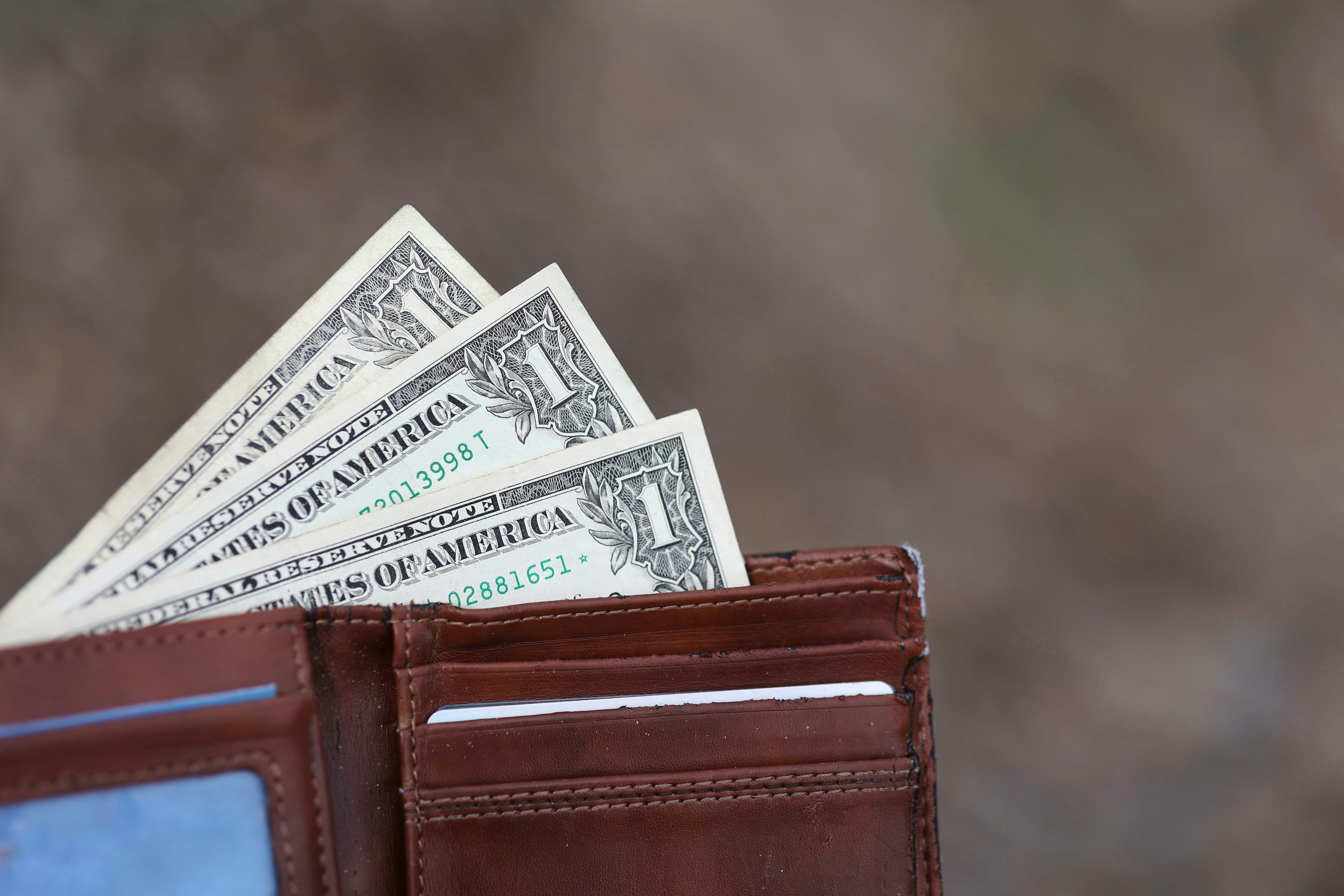
Personal loans are unsecured loans that can be utilized for various purposes, such as consolidating debt, making home improvements, or covering unexpected expenses. For individuals with bad credit, reputation as risky borrowers can deter many traditional banks and financial institutions from approving loan applications. However, numerous alternative lending options exist, making personal loans possible even for those with poor credit.
Exploring Personal Loan Options for Bad Credit
1. Online Lenders
The rise of online lending platforms has revolutionized the borrowing landscape. Many online lenders specialize in providing personal loans to individuals with bad credit. These lenders tend to leverage alternative data and technology-driven methods to assess creditworthiness, often allowing for approvals that traditional banks may deny.
Pros:
- Easier application process with quick approvals.
- Flexible eligibility criteria.
- Variety of loan amounts and terms.
- Higher interest rates compared to traditional lenders.
- Potential for hidden fees.
2. Peer-to-Peer Lending
Peer-to-peer (P2P) lending platforms connect borrowers directly with individual investors willing to fund loans. P2P lending companies often assess borrowers on factors beyond credit scores, enabling those with bad credit to secure funding.
Pros:
- Potentially lower interest rates than payday loans.
- Funded by individual investors, allowing for flexibility.
- Variable repayment terms.
- May require collateral.
3. Credit Unions
Credit unions can be a viable option for those struggling with bad credit. These member-owned financial institutions typically offer more favorable lending terms compared to traditional banks, making them more accessible to individuals with poor credit histories.
Pros:
- Lower interest rates compared to payday lenders.
- Personalized service and understanding of members’ situations.
- May require membership or affiliation.
- Limited lending amounts.
Impact of a Bad Credit Score on Loan Terms
Obtaining a personal loan with bad credit often comes with trade-offs affecting overall loan costs. Borrowers can expect:
- Higher Interest Rates: Unlike borrowers with good credit, individuals with bad credit are likely to face significantly higher annual percentage rates (APRs). Depending on the lender, these rates can range from 10% to over 35%.
- Shorter Loan Terms: Many lenders limit the duration of repayment for bad credit borrowers. Lengthy loan terms can lead to higher overall interest payments, pushing borrowers further into debt.
- Lower Borrowing Limits: Lenders may also impose caps on the amount available to borrowers with weak credit histories, limiting their financial flexibility.
Key Strategies for Securing a Personal Loan with Bad Credit
Securing a personal loan when faced with a poor credit history requires careful planning and strategic decision-making. Here are several strategies to enhance the likelihood of loan approval:
1. Improve Your Credit Score
Before applying for a loan, individuals can take proactive steps to improve their credit score. This can include paying off outstanding debts, making payments on time, and correcting any inaccuracies on credit reports. Even small improvements in credit scores can positively influence loan terms.
2. Consider a Co-Signer
Finding a co-signer with a strong credit profile can help enhance loan approval chances and potentially secure better rates. A co-signer is someone who agrees to take responsibility for the loan if the primary borrower fails to make the payments.
3. Examine Alternative Lenders
As discussed, online lenders and credit unions often have fewer restrictions than traditional banking institutions. Research various lenders, compare terms, and read customer reviews to select the best option.

4. Prepare for the Application
Providing thorough documentation can enhance the application process, demonstrating to lenders an applicant’s reliability. Compile income statements, proof of employment, and a budget detailing expenses and the ability to repay the loan.
Conclusion
While having bad credit can complicate the process of securing a personal loan, it is essential to understand the various options available. With diligence, research, and careful planning, individuals with poor credit can explore alternative lending opportunities to secure the funding necessary for their financial needs. Ultimately, knowledge is power; understanding personal loans for bad credit can help borrowers navigate their financial challenges and take confident steps toward financial recovery. The journey may require patience and persistence, but with the right approach, it is possible to achieve financial goals even with a low credit score.
등록된 댓글이 없습니다.