Understanding the Cold Patch Asphalt Calculator: A Comprehensive Guide
By inputting precise measurements, users can ensure they order the correct amount of material, minimizing waste and reducing costs. Accuracy: The primary benefit of using a Cold Patch Asphalt Calculator is the accuracy it provides.
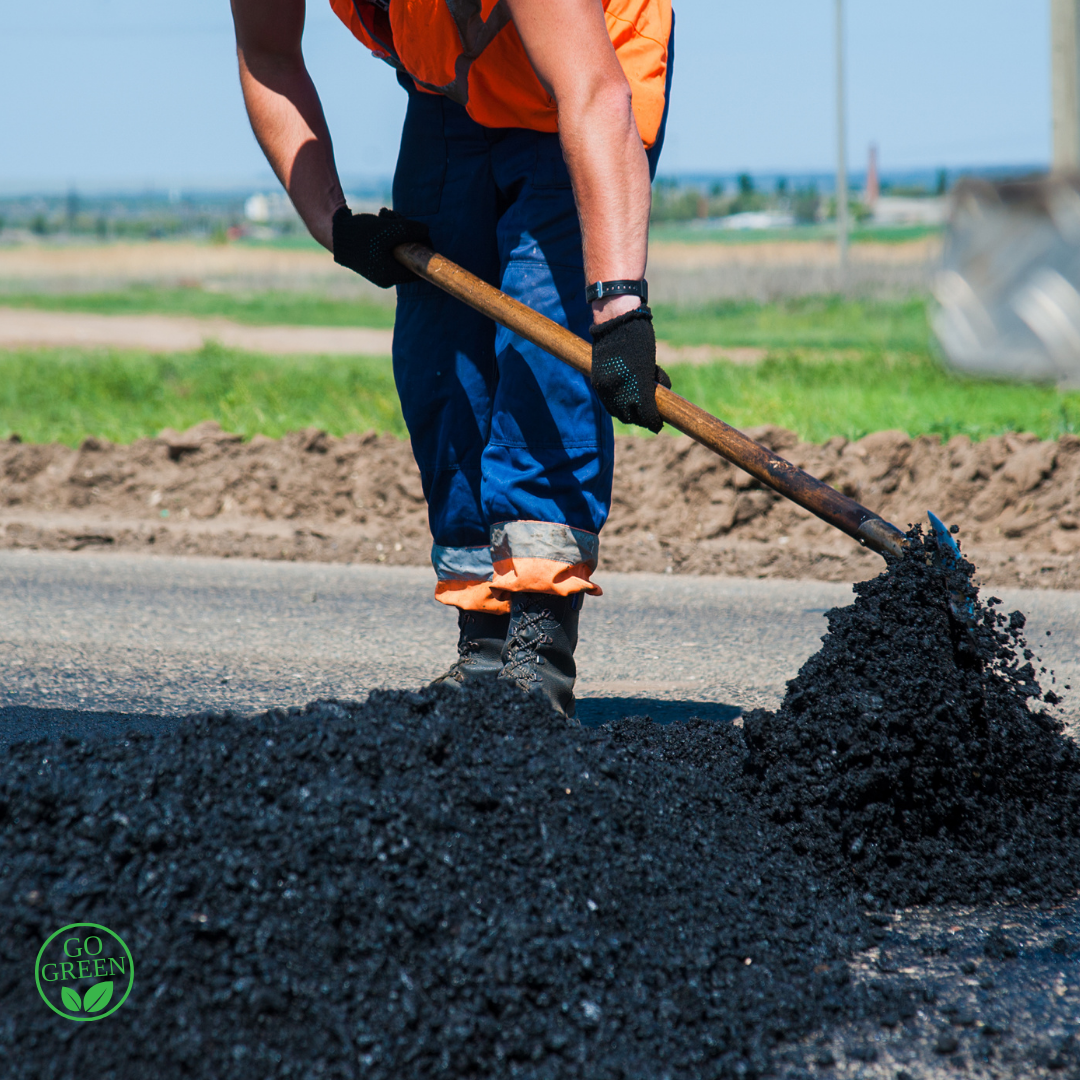
Cold patch asphalt is a type of asphalt mix that can be used for repairing potholes and other surface defects without the need for heating. Unlike hot mix asphalt, which requires specialized equipment to heat the material before application, cold patch can be applied directly from the bag or container. This makes it an ideal choice for quick repairs and emergency situations, as it can be used immediately and does not require extensive preparation.
Its durability, flexibility, and cost-effectiveness make it a popular choice for both large-scale projects and smaller applications. Asphalt is a vital material in the construction and maintenance of roads, parking lots, and other surfaces. However, understanding the costs associated with asphalt can be challenging, particularly when it comes to calculating the price per ton. In this article, we will explore what an asphalt cost per ton calculator is, how it works, and the factors that influence asphalt pricing. This is where an asphalt cost per ton calculator comes into play.
The calculator will often convert these measurements into a consistent format for accurate calculations. Conversion Factors: Depending on the calculator, there may be different units of measurement used (e.g., cubic feet, cubic yards, or square feet).
 One of the most valuable tools for this purpose is the Parking Lot Asphalt Calculator. Asphalt paving is a critical component of constructing and maintaining parking lots. This report delves into the features, benefits, and usage of an asphalt calculator, providing insights into its importance in parking lot construction and maintenance. Proper planning and accurate calculations are essential to ensure that the project is completed efficiently and within budget.
This flexibility is essential for users who may be working with varying measurement systems. Conversion Tools: Asphalt calculators often include conversion tools to switch between different units of measurement, such as square feet to square yards or tons to cubic yards.
An Asphalt Density Calculator is a tool designed to assist engineers and contractors in determining the density of asphalt mixtures. The calculator uses various inputs related to the asphalt mix design and compaction characteristics to provide accurate density values.
Calculators that incorporate these regulations can help ensure compliance, reducing the risk of legal issues and project delays. Regulatory Requirements: Many regions have specific regulations and standards for road construction.
 This may include the type of asphalt (hot mix, cold mix, etc.), the total area to be covered (in square feet), and any additional costs such as labor and equipment rental. Input Parameters: Users enter specific details about their project.
The calculator may also incorporate adjustments for specific gravity and moisture content to refine the density calculation further. Where mass is the total weight of the asphalt mixture and volume is the space it occupies.
Streamlined Communication: Detailed reports generated by the calculator facilitate communication among project stakeholders, including clients, contractors, and suppliers. This transparency fosters collaboration and helps to manage expectations.
By using a tarmac calculator, you can contribute to more sustainable building practices. Environmental Impact: Reducing wastage not only saves money but also minimizes the environmental impact of construction projects.
These calculators help estimate the amount of tarmac (also known as asphalt) needed for a specific project, ensuring that you purchase the right quantity and avoid wastage. In this article, we will delve into the importance of tarmac calculators, how they work, and tips for using them effectively. Tarmac calculators are essential tools for anyone involved in construction, landscaping, or civil engineering.
Calculation of Asphalt Weight: Since asphalt is sold by weight (typically in tons), the calculator will convert the area to be covered into an estimated weight of asphalt required. This is usually done by applying a standard depth (e.g., 2 inches) to the area.
Advanced calculators allow users to customize parameters based on specific project needs, ensuring that the estimates are as accurate as possible. Customization: Different road construction projects have unique requirements.
An Asphalt Density Calculator serves as an invaluable tool for engineers, contractors, and construction professionals to ensure that asphalt mixtures meet the required specifications for density, which is key to achieving optimal performance. It directly influences the durability, strength, and longevity of the pavement surface. Asphalt density is a crucial factor in the construction and maintenance of asphalt pavements. This report delves into the importance of asphalt density, how the calculator works, its benefits, and its applications in the field of civil engineering.
Cold patch asphalt is a type of asphalt mix that can be used for repairing potholes and other surface defects without the need for heating. Unlike hot mix asphalt, which requires specialized equipment to heat the material before application, cold patch can be applied directly from the bag or container. This makes it an ideal choice for quick repairs and emergency situations, as it can be used immediately and does not require extensive preparation.
Its durability, flexibility, and cost-effectiveness make it a popular choice for both large-scale projects and smaller applications. Asphalt is a vital material in the construction and maintenance of roads, parking lots, and other surfaces. However, understanding the costs associated with asphalt can be challenging, particularly when it comes to calculating the price per ton. In this article, we will explore what an asphalt cost per ton calculator is, how it works, and the factors that influence asphalt pricing. This is where an asphalt cost per ton calculator comes into play.
The calculator will often convert these measurements into a consistent format for accurate calculations. Conversion Factors: Depending on the calculator, there may be different units of measurement used (e.g., cubic feet, cubic yards, or square feet).
One of the most valuable tools for this purpose is the Parking Lot Asphalt Calculator. Asphalt paving is a critical component of constructing and maintaining parking lots. This report delves into the features, benefits, and usage of an asphalt calculator, providing insights into its importance in parking lot construction and maintenance. Proper planning and accurate calculations are essential to ensure that the project is completed efficiently and within budget.This flexibility is essential for users who may be working with varying measurement systems. Conversion Tools: Asphalt calculators often include conversion tools to switch between different units of measurement, such as square feet to square yards or tons to cubic yards.
An Asphalt Density Calculator is a tool designed to assist engineers and contractors in determining the density of asphalt mixtures. The calculator uses various inputs related to the asphalt mix design and compaction characteristics to provide accurate density values.
Calculators that incorporate these regulations can help ensure compliance, reducing the risk of legal issues and project delays. Regulatory Requirements: Many regions have specific regulations and standards for road construction.
This may include the type of asphalt (hot mix, cold mix, etc.), the total area to be covered (in square feet), and any additional costs such as labor and equipment rental. Input Parameters: Users enter specific details about their project.The calculator may also incorporate adjustments for specific gravity and moisture content to refine the density calculation further. Where mass is the total weight of the asphalt mixture and volume is the space it occupies.
Streamlined Communication: Detailed reports generated by the calculator facilitate communication among project stakeholders, including clients, contractors, and suppliers. This transparency fosters collaboration and helps to manage expectations.
By using a tarmac calculator, you can contribute to more sustainable building practices. Environmental Impact: Reducing wastage not only saves money but also minimizes the environmental impact of construction projects.
These calculators help estimate the amount of tarmac (also known as asphalt) needed for a specific project, ensuring that you purchase the right quantity and avoid wastage. In this article, we will delve into the importance of tarmac calculators, how they work, and tips for using them effectively. Tarmac calculators are essential tools for anyone involved in construction, landscaping, or civil engineering.
Calculation of Asphalt Weight: Since asphalt is sold by weight (typically in tons), the calculator will convert the area to be covered into an estimated weight of asphalt required. This is usually done by applying a standard depth (e.g., 2 inches) to the area.
Advanced calculators allow users to customize parameters based on specific project needs, ensuring that the estimates are as accurate as possible. Customization: Different road construction projects have unique requirements.
An Asphalt Density Calculator serves as an invaluable tool for engineers, contractors, and construction professionals to ensure that asphalt mixtures meet the required specifications for density, which is key to achieving optimal performance. It directly influences the durability, strength, and longevity of the pavement surface. Asphalt density is a crucial factor in the construction and maintenance of asphalt pavements. This report delves into the importance of asphalt density, how the calculator works, its benefits, and its applications in the field of civil engineering.
댓글목록
등록된 댓글이 없습니다.